1. You are lazy
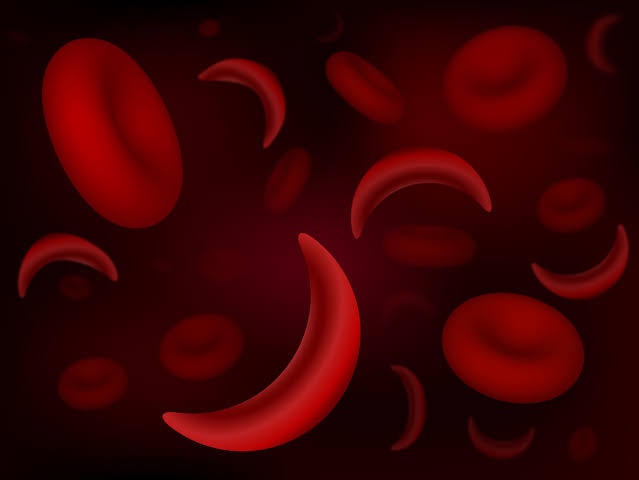
Sickle cell patients are at risk of chronic and acute fatigue. Reasons for this may include pain crises reducing one’s ability to get adequate sleep. Also, mutated red blood cells cannot carry sufficient amounts of oxygen around the body, known as hypoxemia. This can cause tiredness. As a result of this, it should not be surprising for sickle cell patients to become extremely tired and fatigued quickly. Please do not misjudge this as laziness. Instead of quickly concluding the patient is lazy, perhaps inquire if there is anything that can be done to alleviate stress and enable the patient to rest.
There is very little treatment for fatigue in sickle cell, so it’s one of the symptoms we just have to learn to deal with. Be patient with someone experiencing fatigue.
2. ‘I knew someone with sickle cell. They died.’
Sickle cell patients are constantly reminded of the shortened life expectancy the condition brings. These reminders come by way of literature as well as our daily experiences. Being at high risk of long-term complications and/or death from contracting the virus is yet another reminder to sickle cell patients of the severity of the condition.
On top of these concerns running through our minds, no sickle cell patient wants to hear that you knew someone who died from the condition. Nobody finds that information helpful.
3. Sickle cell is not that bad.
Sickle cell affects each individual uniquely. You may know somebody with mild sickle cell; however, this does not mean that all other sickle cell patients have the same experience.
Sickle cell is a sporadic disease. Do not assume that because one person’s experience is mild, others are exaggerating their experiences.
We must learn to acknowledge that for some people, sickle cell may not be “that bad,” and for others, it can impact every area of their lives. We should all seek to be as understanding as possible of the emotions and experiences of individual patients. Let’s use our words to be as helpful and sensitive as possible.
 SCDhealthhub
Leave a comment